In the context of rapid global digital transformation, the field of performing arts—particularly music—has undergone significant changes in the ways artists engage with audiences. The swift advancement of communication technologies and digital platforms has created new performance spaces that transcend geographical boundaries and traditional venue limitations. Among these developments, online performance (livestream concerts/online concerts) has emerged as a prominent trend, reshaping contemporary models of music production and consumption.
Livestreaming has become an integral part of today’s digital life. With the expansion of platforms such as Facebook, Instagram, TikTok, and YouTube, various sectors—including fashion, gastronomy, architecture, and real estate—have utilized live broadcasting to promote products and interact with audiences. The music industry has similarly integrated this format, gradually building a professional and diversified ecosystem for online performances.
At the individual level, many artists organize small-scale performances in minimalist formats, often featuring only vocals and a single instrument, or incorporating digital sound and visual technologies to enhance audience experience. On a larger scale, production units invest significantly in stage design, filming techniques, lighting systems, and sound engineering to recreate the atmosphere of traditional concerts in a virtual environment.
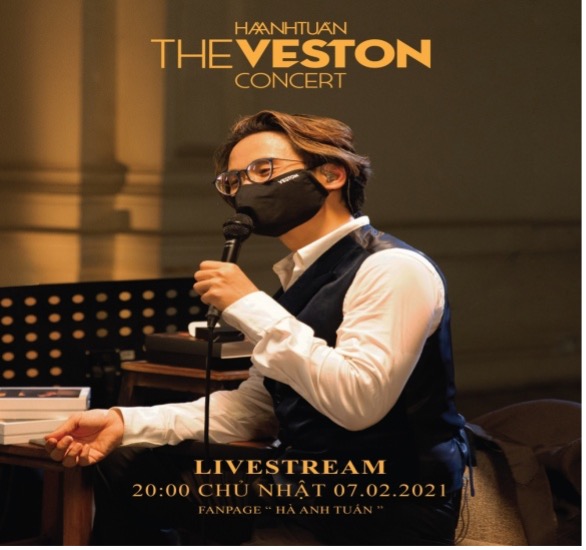
In Vietnam, singer Hà Anh Tuấn is considered one of the pioneers in developing high-quality online music programs that have attracted substantial viewership across digital platforms. These performances not only maintain artistic value but also demonstrate artists’ adaptability to evolving performance environments.
Similarly, Thúy Nga Paris Center has transitioned from conventional stage productions to online performance models, thereby maintaining artistic activities and reaching international audiences through digital space.
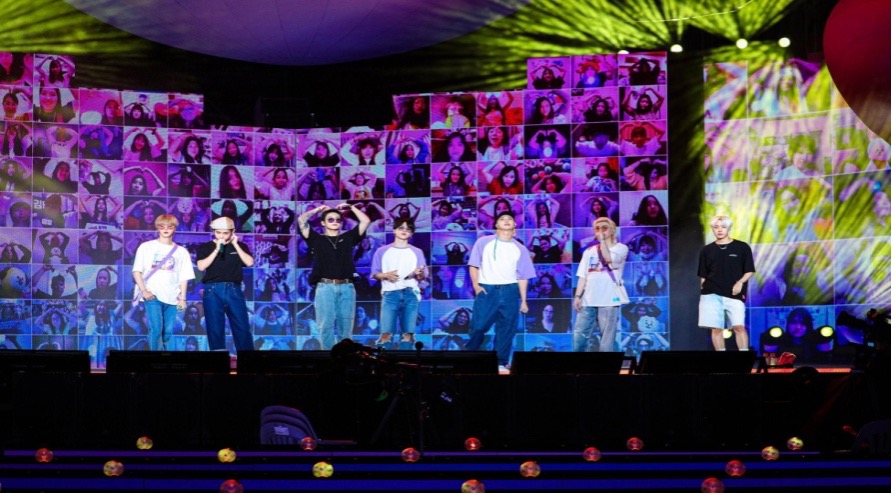
On the global stage, numerous artists and groups have achieved remarkable success through large-scale online concerts. The South Korean group BTS organized technologically advanced online performances that recreated the grandeur of iconic stadiums such as Wembley Stadium in the United Kingdom and MetLife Stadium in the United States. Their concert “Bang Bang Con: The Live” was recorded as one of the most successful online concerts in terms of ticket sales, attracting more than 756,000 paid viewers from over 100 countries and territories. This figure demonstrates the capacity of online concerts to reach audiences far beyond the physical limitations of traditional stadium venues.
In addition, long-established music events such as the Monterey Jazz Festival have adopted online formats, ensuring the continuity of professional performance activities while adapting to digital transformation trends.
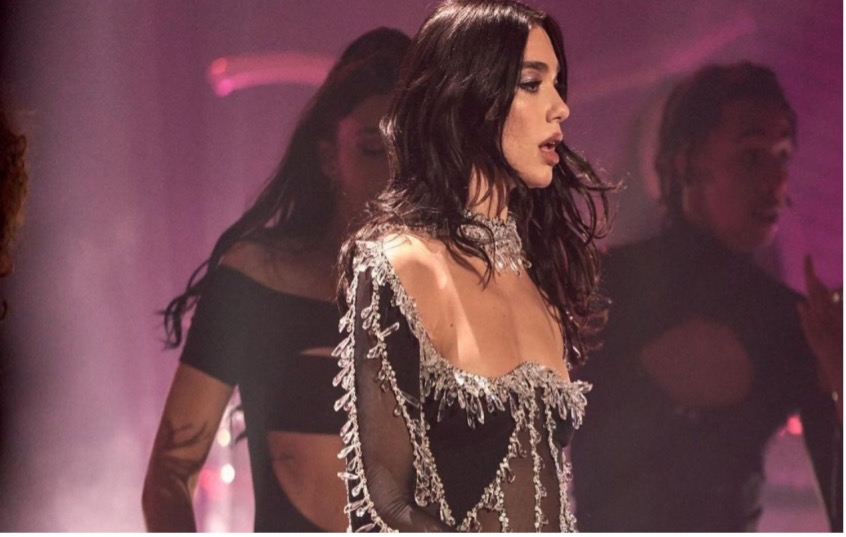
Artist Dua Lipa also made a significant impact with her album Future Nostalgia and a series of well-produced online performances that attracted a large global audience. The album later won the “Best Pop Vocal Album” award at the 63rd Grammy Awards, affirming her influence in the contemporary digital music landscape.
It can be observed that online performance is no longer merely an alternative format but has evolved into a sustainable development trend within the music industry. This model expands audience accessibility, optimizes organizational costs, and creates new opportunities for artistic innovation and audience interaction. Various genres—from classical and chamber music to pop, rock, and jazz—have demonstrated adaptability within the online performance environment.
The shift from physical stages to digital platforms reflects a broader restructuring of performing arts in the technological era. Although modes of presentation have changed, the core values of music—emotion, creativity, and human connection—remain preserved and continuously developed. In the future, online performances are expected to coexist with traditional formats, contributing to the diversification of musical life and expanding the global reach of artistic expression.
Trương Ngọc Bích