PERFORMANCE SKILLS FOR MUSIC STUDENTS AT THE FACULTY OF ARTS, VAN HIEN UNIVERSITY
In society, from ancient times to the modern world, alongside the continuous development of social aspects such as politics, economics, sports, tourism, and technology, one equally important factor in the spiritual life of humanity is the arts, including cinema, theater, painting, fashion, and more. Music is essential in enhancing the quality of life, developing emotions, training skills, improving aesthetics, and enjoying and performing both professional and non-professional music. These benefits are achieved through music education for generations of students, from preschool to university level, and even further through practice-based research for master's and doctoral students in music at professional institutions.
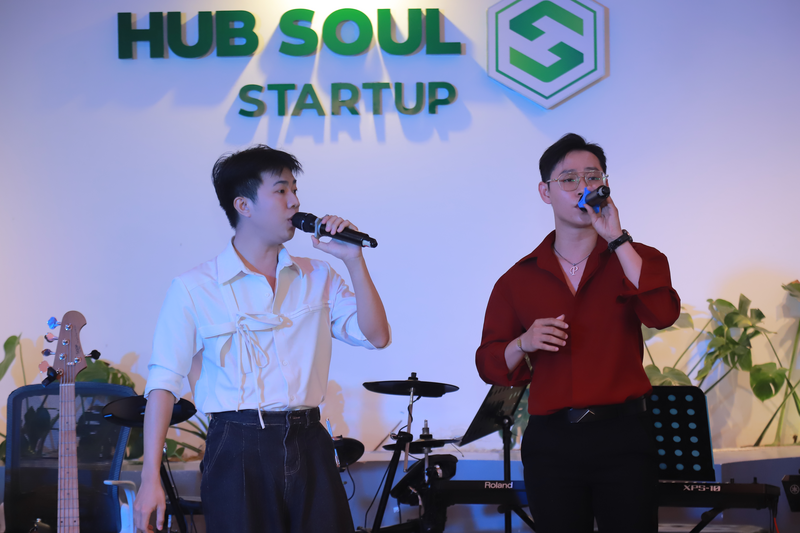
I. Performing Arts:
What is Performing Arts?
Performing arts utilize the body, voice, or musical instruments as well as the artist's presence to present before the public.
Performers:
Artists who perform for an audience are called performers. This group includes musicians, singers, and performers from other art fields. Performing arts are also supported by professionals in related areas, such as composers, choreographers, directors, sound technicians, stage managers, and others. These professionals inspire and contribute to the success of the artists, ensuring a high-quality performance for the audience.
Performers often use costumes, makeup, stage lighting, and sound to adapt to their performance program.
Performing Arts Disciplines in Vietnam:
Some of the fields in performing arts include:
Vocal Music, Music Theory, Music Composition, Orchestra Conducting (symphony, folk instruments, choir conducting, etc.),
Folk Music (performance of traditional music, court music, Hue folk songs, folk instruments),
Western Instruments (Piano, Violin, Cello, Trumpet, etc.),
Music Production, Music Technology, Music Education, etc.
II. Related Arts Disciplines:
Theater, Film, Television:
Film and theater theory and criticism, television film technology, film and theater direction, TV production technology, film screenwriting, film and television cinematography, acting for television, film actors, theater actors, and opera actors.
Dance:
Dance choreography, dance training, stage dance theory and criticism, ballet, traditional and modern dance, contemporary dance.
Fashion:
Costume design, creative and performance product design, stage makeup.
Stage Design:
Designing performance stages according to the scenes and requirements of the program.
Technology:
Sound, lighting, and technical support.
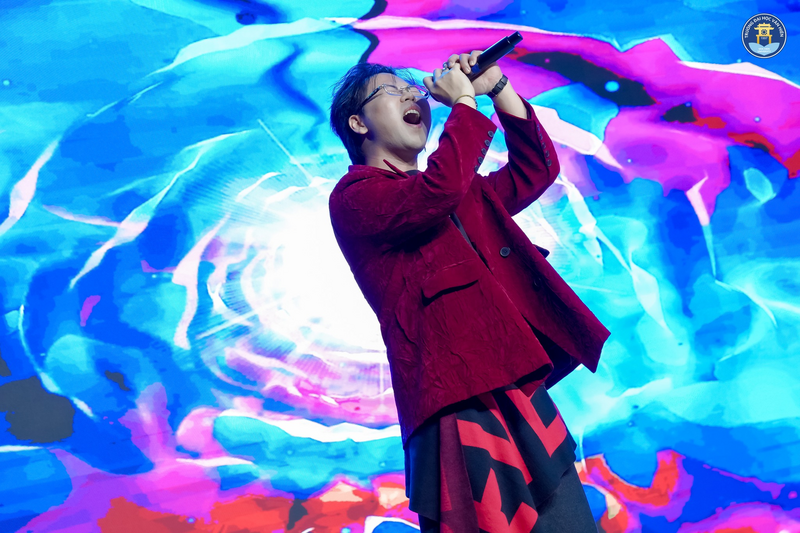
III. Forms of Performance in Music:
Solo performance.
Duets, trios, quartets for piano, and duets, trios, quartets for vocals.
Performance with an orchestra.
Choir and ensemble performances (vocal music).
IV. Types of Instruments for Performance:
Piano, Guitar, Drums, Bass, etc.
Instruments in an orchestra.
Folk instruments in combination.
Electronic music.

V. Ways to Improve and Enhance Performance Skills for Students:
The Role of Instructors in Teaching and Training Performance Skills:
In the vocal music class with Prof. Dr. Trương Ngọc Thắng,
Develop talent,
Knowledge,
Practice,
Have long-term plans,
Development roadmap,
Be flexible and suitable for each individual,
Be a role model for students.
Training Performance Confidence:
Build determination and enthusiasm, overcome difficulties,
Be proactive, confident, and creative,
Practice regularly,
Performance skills: both innate and learned,
Maintain composure on stage,
Build awareness and perseverance,
Control memory,
Coordinate well with other performers.
Performance Practice:
Train stage skills and handle any circumstance professionally,
Overcome difficulties when faced with setbacks,
Combine with sound and stage techniques, environment, costumes, makeup, props, choreography, and cooperation with other artists,
Improve performance skills with each performance and learn from each experience,
Provide practical measures to enhance performance ability.
To achieve the dream of becoming a professional performer, students must improve themselves daily in both knowledge and skills related to the arts in general and music in particular, as these are interconnected in their professional careers. Additionally, understanding other aspects of society such as literature, fashion, dance, technology, and even politics will help them improve each day.
We hope this article contributes a small part in helping students in the Faculty of Arts improve their stage skills, enhancing the quality of training, and encouraging each student to reflect on their strengths and weaknesses, making improvements to progress further on their artistic journey toward realizing their dream of shining in their careers and lives.
Trương Ngọc Bích